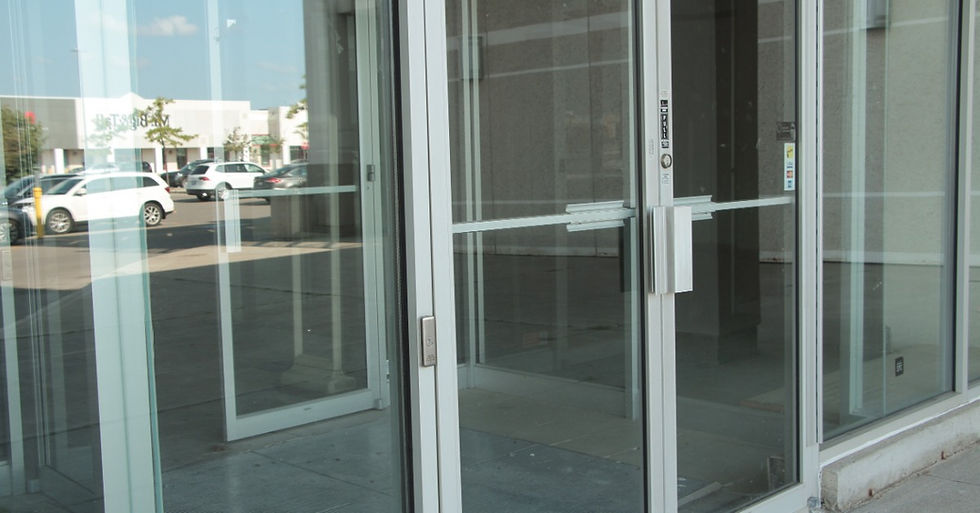
Top Reasons Your Commercial Door Is Not Closing

A commercial door that fails to close properly can create serious problems for any business. What begins as a minor inconvenience can quickly affect daily operations and property security. Business owners often overlook early signs of door trouble until the entrance becomes difficult to operate or fails.
A faulty entrance can create safety concerns that deserve immediate attention. A door that remains partially open may expose the interior to unauthorized access or adverse weather conditions. Even a small mechanical defect can eventually place additional pressure on other components and create more expensive problems.
Understanding why a commercial door refuses to close can help business owners recognize problems before they become expensive repairs. Some issues require a simple adjustment, but others demand professional attention to restore proper operation. A timely response can protect the entrance from additional damage and reduce unnecessary disruptions throughout the business.
Misaligned Door Hinges
Commercial door hinges support considerable weight throughout years of frequent use. Constant pressure can gradually loosen the hardware and cause the door to shift from its original position within the frame. Even a slight change in alignment can prevent the entrance from closing completely.
A misaligned door may scrape against the floor or contact the frame. Employees may notice that the entrance requires additional force to close, especially near the final few inches of movement. Professional adjustments can restore proper alignment before excessive friction causes additional damage to the door.
Problems With the Door Closer
A commercial door closer controls the speed and force of the door as it returns to its closed position. When this mechanism develops a defect, the entrance may remain open or move too slowly to latch securely. Hydraulic fluid leaks can also reduce the closer's ability to control movement.
An incorrect adjustment can create similar problems, even when the closer remains mechanically functional. Excessive resistance may prevent the door from reaching the frame, especially when exterior air pressure affects its movement. A qualified technician can inspect the mechanism and determine whether adjustment or replacement is necessary.
Damaged or Worn Door Frames

A commercial door depends on a stable frame to maintain proper alignment and close without unnecessary resistance. Structural movement and years of regular use can gradually affect the frame's original position. These changes may create uneven gaps that interfere with normal door operation.
Visible cracks or separation around the frame often indicate that the problem extends beyond the door hardware. Attempts to force the entrance closed can place additional pressure on the frame and increase the extent of existing damage. Professional repairs can address the affected structure and restore the proper relationship between the door and its frame.
Faulty Locks and Latch Mechanisms
A commercial door may reach its closed position without securing itself properly. This problem often develops when the latch fails to align with the strike plate or encounters resistance inside the mechanism. Dirt accumulation and worn internal components can also interfere with normal operation.
Business owners may notice that the door appears closed but opens again after a slight push. This condition can compromise security because the entrance never establishes a dependable connection with its latch mechanism. A professional inspection can identify the source of resistance and restore proper operation without unnecessary hardware replacement.
Loose or Damaged Door Hardware
Commercial entrances depend on secure hardware to maintain proper operation throughout the workday. Frequent use can loosen screws and weaken connections between the door and its mechanical components. Eventually, these small changes can affect the entire entrance.
Loose handles or damaged brackets may create unusual resistance whenever someone attempts to close the door. Ignored hardware defects can also place excessive pressure on nearby components and accelerate mechanical deterioration. Regular inspections help identify loose connections before they develop into more extensive problems.
Dirt and Debris Inside the Door Tracks
Commercial doors with track systems require clear pathways to operate without interruption. Dirt and other debris can accumulate inside these tracks, especially near entrances with substantial pedestrian traffic. Even minor obstructions can prevent the door from reaching its intended closed position.
A blocked track may cause unusual noises or sudden resistance during normal operation. Employees should avoid excessive force because the obstruction may damage rollers or other mechanical components. Professional maintenance can remove accumulated debris and identify track damage that requires additional attention.
Problems With Automatic Door Sensors

Automatic commercial doors depend on sensors to detect movement and control access safely. When these sensors malfunction, the system may interpret an empty entrance as an occupied pathway. As a result, the door can remain open despite the absence of nearby pedestrians.
Dust accumulation or incorrect sensor alignment can interfere with normal detection. Electrical defects may also affect communication between the sensors and the automatic door controller. A qualified technician can examine the system and restore proper operation without compromising essential safety functions.
Weather Conditions Affect Door Operation
Commercial doors experience constant exposure to environmental conditions that can affect their performance. Temperature changes may cause certain materials to expand or contract, especially around metal frames and exterior entrances. These changes can create temporary resistance or expose existing alignment problems.
Strong winds can also prevent exterior doors from closing at their normal speed. Differences in air pressure between interior and exterior spaces may place additional force against the entrance. A professional evaluation can determine whether the problem requires hardware adjustments or improvements to the entrance itself.
Worn Weatherstrips and Door Seals
Weatherstrips create a protective barrier between the commercial door and its frame. Over time, these materials can lose their flexibility or shift from their original position. Damaged seals may interfere with the final movement required for the door to close.
Excessively thick or incorrectly installed weatherstrips can create similar resistance. Business owners may notice that the entrance closes normally until it reaches the final portion of its movement. A technician can evaluate the seals and recommend adjustments that preserve proper closure without unnecessary pressure.
Lack of Professional Door Maintenance
Commercial doors require regular attention because repeated use gradually affects their mechanical performance. Without proper maintenance, minor defects can develop unnoticed until the entrance becomes unreliable. Small alignment problems may eventually affect multiple components and increase repair costs.
Professional inspections can identify mechanical defects before they interrupt normal business operations. With the best storefront door repair services in Vancouver, WA, Gene Door Repair can restore your commercial entrance to its proper condition and address mechanical defects before they become more expensive. Timely professional service also helps businesses maintain safe access without unnecessary interruptions throughout the workday.
A faulty door deserves immediate attention because the problem can affect security and everyday operations. Even a minor defect may place additional pressure on the entrance and create more extensive mechanical damage. Recognizing the reasons your commercial door is not closing can help business owners determine when professional service becomes necessary.
Reliable commercial doors require proper maintenance and timely repairs to perform as expected. Gene Door Repair can help protect your business with professional door repair services that restore proper operation and prevent unauthorized access. Our experienced technicians can address mechanical problems before they become expensive repairs, helping maintain a secure environment for your business.